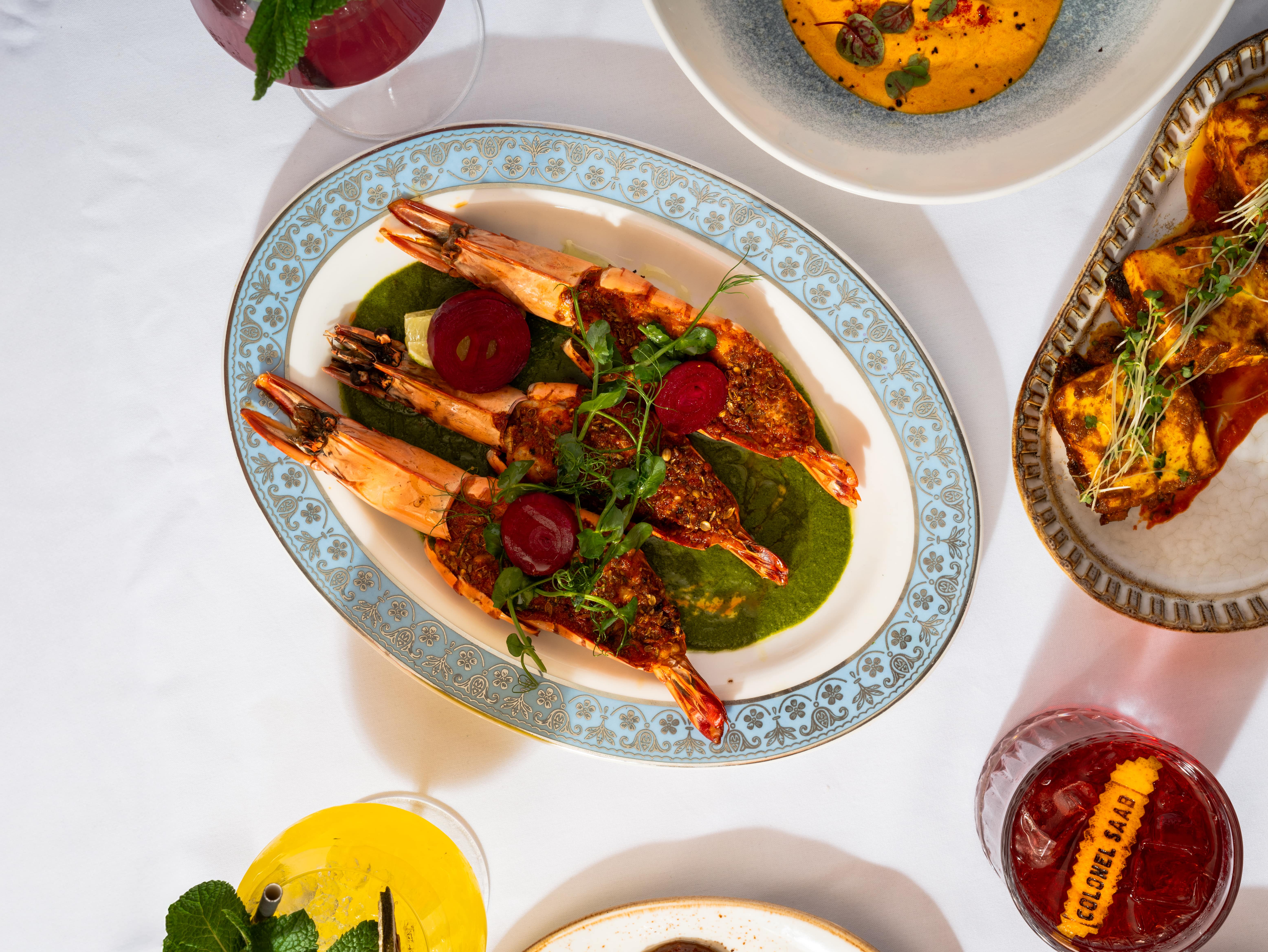
When most people think about Indian food, familiar favourites like butter chicken biriyani or tikka masala usually come to mind. While these are undoubtedly delicious, they represent only a fraction of the vast array of culinary delights available throughout India. There are literally hundreds of lesser known Indian dishes throughout many different regions in India that use a variety of ingredients, preparation methods, and cultural influences.
If you live in London and are looking for some unique Indian dishes or if you want to discover some of the regional differences in Indian cuisine beyond the classic staples, you need to check out Colonel Saab. This restaurant has created a fabulous menu that is dedicated to highlighting lesser known Indian dishes, including North Indian vegetarian options and South Indian spicy dishes. Below are five examples of dishes you probably never heard about but must try!
Why Explore Lesser-Known Indian Dishes?
Indian cuisine has evolved to be an amalgamation of its geographical location (topography), climate, history and culture. Each region has its own unique ingredients and associated flavours, from Kerala's famous coconut-centric curries, to Andhra Pradesh's zesty and heavily seasoned offerings.
However, many Indian restaurants outside of India focus on an admittedly small selection of well-known dishes and, therefore, much of the authentic cuisine found across India remains largely (if not completely) under-represented in most markets, especially in places like London.
By exploring lesser-known dishes from India you'll be able to:
Experience authentic regional Indian cuisine
Discover new flavour combinations and textures
Appreciate the cultural stories behind each dish
Move beyond the “usual” Indian menu
By providing customers in London with great-tasting regional Indian foods at Colonel Saab the focus is on bringing these regional flavours to London while maintaining authenticity and quality.
5 Indian Dishes You’ve Never Heard Of (But Should Try)
1. Falahari Curry Kofta – A Unique North Indian Vegetarian Delight
Falahari Curry Kofta illustrates how well Indian veg can be enjoyed light or heavy! Traditionally this has been eaten during periods of fasting that occur (called vrat); therefore, this dish is completely appropriate from a dietary standpoint whilst providing you with rich flavour from the ingredients that have contributed towards it being referred to as comfort food.
The kofta (a form of dumpling) consists of lotus stem, beetroot & raisins which create rushes of sweetness & an earthy flavour. Therefore you would expect the koftas to flavour the curry somewhat but that is not how this dish has been concocted since by simmering them very slowly in this lovely & mildly aromatic curry sauce allows the koftas to keep their natural flavour without overpowering them with strong flavours of spices, etc. The end result of this cooking process results in a balance between soft mouth feel of the kofta, seasoning using delicate spices/non-spice & mild sweetness which produces an overall comfort feeling yet appears quite elegant in presentation.
The only place you can have a chance of experiencing it outside of India is in London—so if you want something unusual to eat at an Indian restaurant, especially when you are looking for vegetarian Indian food options in London then definitely go there!
2. Gutti Vankaya – Andhra’s Stuffed Aubergine Curry
This is a classic Andhra dish that is representative of Telugu cooking. Baby eggplants are filled with a mix of ground peanuts, tamarind, and spices, and then cooked slowly until they are tender.
This dish is known for its bold and layered flavours:
Tangy flavours from the tamarind
Rich nutty flavour from the peanuts
Heat from traditional spice blends
Unlike many of the more creamy curries served in most restaurants, Gutti Vankaya has a more rustic and complex flavour. The sauce coats the eggplant nicely, giving you a nice mix of flavours with every bite of eggplant.
For those looking to learn about South Indian regional food, this dish is a great place to start with Andhra cuisine when eating out in London.
3. Beef Pepper Fry – Kerala’s Spicy Signature
A state in India known as the ‘Land of Spices,’ Kerala is known to have a number of very famous, highly-flavoured and aromatic dishes. One such dish from Kerala is Beef Pepper Fry, made using simple ingredients; combined together these ingredients create a dish that packs an awesome punch of flavour.
This dish is made by stir-frying tender beef with roasted coconut, curry leaves, onions, and generous amounts of Tellicherry black pepper—one of the finest peppers in the world.
The result is a dry-style dish that is:
Incredibly aromatic flavour
Extremely spicy flavour
Rich and thick texture
What sets Beef Pepper Fry apart is its reliance on black pepper rather than chilli heat, creating a warm, lingering spice that builds with each bite.
Although there are many places in India that do not serve beef due to cultural and/or religious reasons; beef is widely enjoyed throughout Kerala (as it is in many other countries). As a result, Beef Pepper Fry is a uniquely Indian dish that you will not commonly be able to find on the menu of a typical restaurant in London.
4. Nadan Meen Curry – Authentic South Indian Fish Curry
"Nadan" means "home-cooked", and this dish encapsulates the essence of Kerala cooking. Seafood from along the coast of South India plays an important part in dishes served on a daily basis, and Nadan Meen Curry is a testament to that. Fresh fish cooked in a coconut sauce, flavoured with curry leaves, red chillies and spices, make this dish a favourite throughout the region.
The combination of coconut and spices bring out the richness and warm character of the curry. One of the most appealing factors of this curry is its simplicity; it is not an overly rich cream-based curry but that does not compromise on the integrity and authenticity of home cooking with full-flavour combinations. For those searching for an authentic South Indian fish curry in London, Nadan Meen Curry offers just that.
5. Chakka Varattiyathu Tart – A Modern Take on a Traditional Dessert
Chakka Varattiyathu Tart may be the last course at Colonel Saab, but it’s certainly not the least. This dessert is a unique interpretation of a traditional dish from Kerala, which is made with jackfruit (or chakka).
Traditionally, chakka varattiyathu is a thick, sweet jackfruit paste that is used in making halwa. At Colonel Saab, we have taken this classic dish and created:
A crunchy tart shell
Alphonso mango sorbet
Raspberry crumble
Popping pearls for texture
By using a combination of traditional Indian flavours and modern patisserie techniques, we’ve created a dessert that is both new and familiar.
This dessert is representative of Indian cuisine’s continued evolution; it remains firmly connected to its roots, while also keeping up with current trends and tastes.
What are the Unique Characteristics of Each of these Indian Dishes?
Each of these above-mentioned dishes has its own specific identity in that, they represent the regional diversity of India's many different customs and food traditions.
Here’s what makes them truly special:
Regional Identity
Each dish comes from various regions across India, such as: Northern India, Andhra Pradesh, Kerala, etc. This geographic element produces an authentic regional flavour and cooking style.
Unique Ingredients
There Are Ingredients as well As Cooking Methods That These Dishes Use That Do Not Appear in Everyday Western-Style Cooking. All of these dishes use different types of ingredients and/or flavoring agents that are not found in typical Western-style cuisine, such as: lotus stem, jackfruit, curry leaves, tamarind, etc.
Balanced Flavours
Indian cuisine is known for balancing sweet, sour, spicy, and savoury elements. These dishes highlight that balance beautifully.
Authentic Cooking Techniques
Many of these recipes follow traditional methods that have been passed down through generations.
Together, these elements create a dining experience that goes far beyond the typical Indian restaurant menu.
Where to Try Regional Indian Dishes in London
If you’re looking to explore regional Indian food in London, Colonel Saab offers a unique opportunity to do so in an elegant setting.
Unlike many restaurants that focus on a limited range of dishes, Colonel Saab’s menu is inspired by different regions of India, each with its own story and heritage.
Here, you can:
Discover authentic regional recipes
Experience carefully crafted flavours
Enjoy a refined Indian dining experience
Whether you’re a long-time fan of Indian cuisine or trying it for the first time, exploring these lesser-known dishes adds a new dimension to your culinary journey.
Discover Hidden Gems of Indian Cuisine at Colonel Saab
Indian cuisine is far more diverse than most people realise. By stepping beyond familiar favourites, you open the door to a world of flavours, textures, and traditions that are rich in history and culture.
From the delicate sweetness of Falahari Curry Kofta to the bold spice of Beef Pepper Fry and the comforting flavours of Nadan Meen Curry, each dish offers something unique.
If you're ready to explore unique Indian dishes in London, Colonel Saab invites you to discover these hidden gems and experience the true depth of regional Indian cuisine.
Frequently Asked Questions
What are some lesser-known Indian dishes?
Lesser-known Indian dishes include regional specialties like Gutti Vankaya, Falahari Kofta, Kerala Beef Pepper Fry, and jackfruit-based desserts, which are not commonly found on standard restaurant menus.
What is regional Indian cuisine?
Regional Indian cuisine refers to dishes that originate from specific parts of India, each with its own ingredients, cooking styles, and flavour profiles.
Are these dishes available in London?
Yes, select restaurants like Colonel Saab offer regional Indian dishes that are rarely found elsewhere in London.
What makes Indian cuisine so diverse?
India’s diversity comes from its geography, climate, culture, and history, all of which influence the ingredients and cooking techniques used in different regions.
