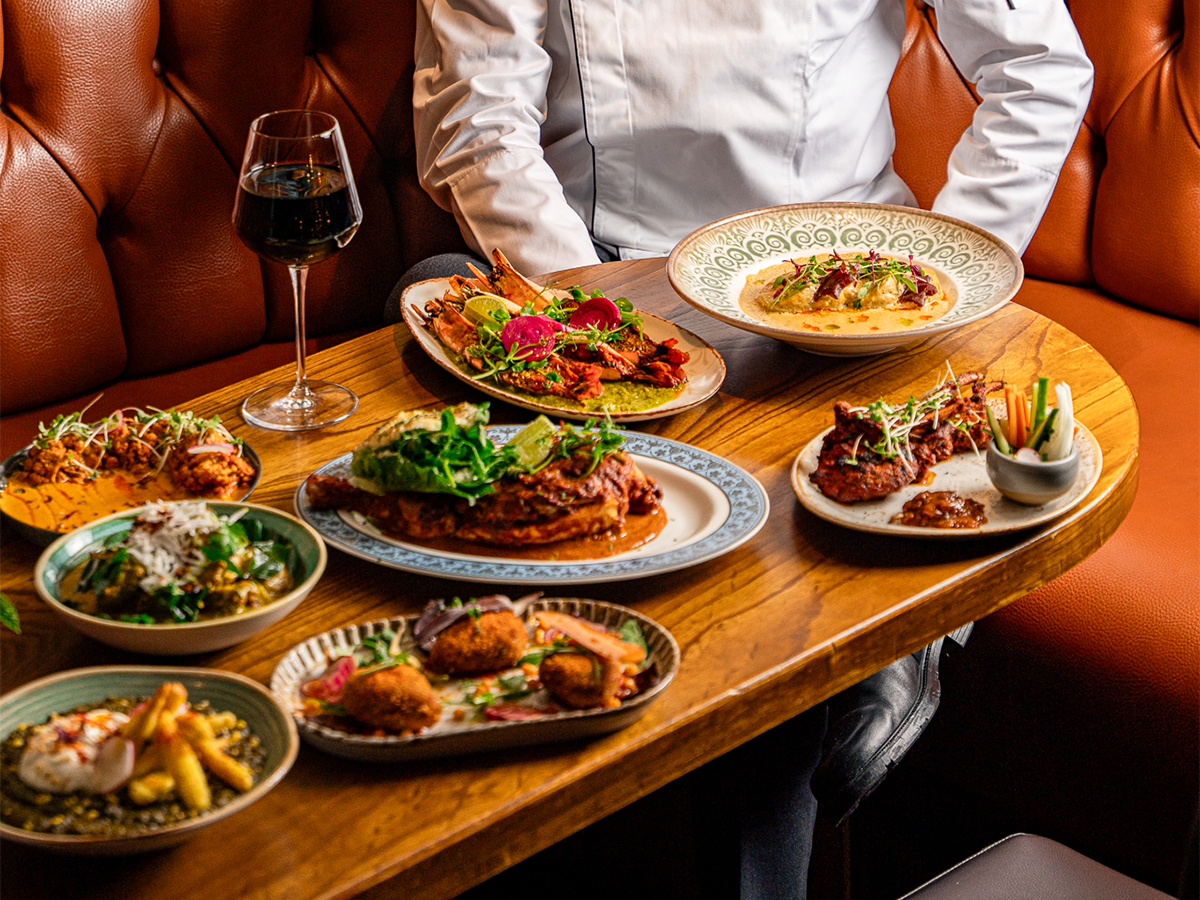
Indian cuisine is one of the world's oldest and most celebrated culinary traditions. Rich in history, culture and regional diversity, it has evolved over thousands of years while preserving the flavours and techniques that make it unique. Today, Indian fine dining is recognised globally for its artistry, sophistication and depth of flavour. From the grand royal kitchens of ancient India to award-winning restaurants in London, the journey of Indian fine dining reflects centuries of culinary innovation, cultural exchange and exceptional hospitality.
For diners searching for an authentic Indian fine dining experience in London, understanding this remarkable history makes every meal even more meaningful. Restaurants such as Colonel Saab continue this legacy by celebrating India's regional cuisines, heritage and timeless traditions in the heart of Central London.
The Origins of Indian Cuisine
Indian cuisine dates back more than 5,000 years to the Indus Valley Civilisation. Early communities cultivated grains, legumes, spices and herbs that became the foundation of Indian cooking.
As trade routes expanded, India welcomed influences from Persia, Central Asia, the Middle East and Europe. Rather than replacing traditional recipes, these cultures enriched India's culinary landscape, introducing new ingredients, cooking methods and presentation styles.
The result was one of the world's most diverse and sophisticated food cultures.
Royal Kitchens Shaped Indian Fine Dining
The true origins of Indian fine dining can be traced to the royal courts of India's great kingdoms and empires.
Kings, queens and emperors employed highly skilled chefs who created elaborate feasts using the finest ingredients available. Meals were carefully planned, beautifully presented and designed to showcase regional traditions alongside culinary creativity.
The royal kitchens of Rajasthan, Hyderabad, Lucknow and the Mughal Empire became renowned for dishes that remain iconic today, including:
● Slow-cooked biryanis
● Rich Mughlai curries
● Delicate kebabs
● Fragrant kormas
● Handcrafted breads
● Luxurious desserts
These kitchens established many of the principles that continue to define Indian fine dining: exceptional ingredients, refined techniques and warm hospitality.
The Mughal Influence on Indian Gastronomy
One of the most significant chapters in Indian culinary history came during the Mughal Empire.
The Mughal courts elevated Indian cuisine through sophisticated cooking techniques such as dum cooking, where dishes are slow-cooked in sealed pots to preserve flavour and aroma.
Persian influences introduced:
● Saffron
● Dried fruits
● Nuts
● Aromatic rice dishes
● Rich gravies
● Intricate food presentation
Many of today's most celebrated Indian dishes including Butter Chicken's predecessors, Korma and Biryani owe part of their evolution to this remarkable period.
India's Regional Diversity Created a Culinary Treasure
Unlike many national cuisines, Indian food cannot be defined by a single style of cooking.
Every region has developed its own distinctive identity.
North India
Known for:
● Tandoori cooking
● Rich curries
● Butter Chicken
● Dal Makhani
● Naan
● Kebabs
South India
Celebrated for:
● Coconut-based curries
● Seafood
● Dosas
● Idlis
● Chettinad spices
● Tamarind flavours
Western India
Home to:
● Gujarati vegetarian cuisine
● Goan seafood
● Vindaloo
● Coastal curries
Eastern India
Famous for:
● Bengali fish dishes
● Mustard-based curries
● Delicate sweets
● Fresh seasonal ingredients
This extraordinary diversity is one of the reasons Indian cuisine continues to captivate food lovers across the globe.
Indian Hospitality: Atithi Devo Bhava
Indian fine dining is not only about exceptional food it is equally about hospitality.
The ancient Sanskrit phrase Atithi Devo Bhava, meaning "The guest is equivalent to God," has influenced Indian hospitality for centuries.
Guests are welcomed with warmth, generosity and genuine care.
This philosophy remains central to many of today's leading Indian restaurants, where attentive service enhances every dining experience.
Indian Cuisine Finds a Home in Britain
The relationship between Britain and Indian cuisine spans more than two centuries.
As cultural connections grew, Indian restaurants began appearing across London during the nineteenth and twentieth centuries.
Initially serving expatriate communities, Indian restaurants quickly became popular with British diners who developed an appreciation for the country's diverse flavours.
Today, Britain has one of the world's largest and most respected Indian restaurant industries outside India.
From neighbourhood curry houses to luxury fine dining establishments, Indian food has become an essential part of London's culinary identity.
The Evolution of Indian Fine Dining in London
Modern diners increasingly seek experiences rather than simply meals.
This shift has transformed Indian fine dining.
Today's leading restaurants combine:
● Authentic regional recipes
● Contemporary presentation
● Elegant interiors
● Carefully curated wine lists
● Signature cocktails
● Personalised service
● Immersive cultural experiences
The result is a style of dining that honours India's culinary traditions while meeting the expectations of modern guests.
Colonel Saab: Continuing India's Culinary Legacy
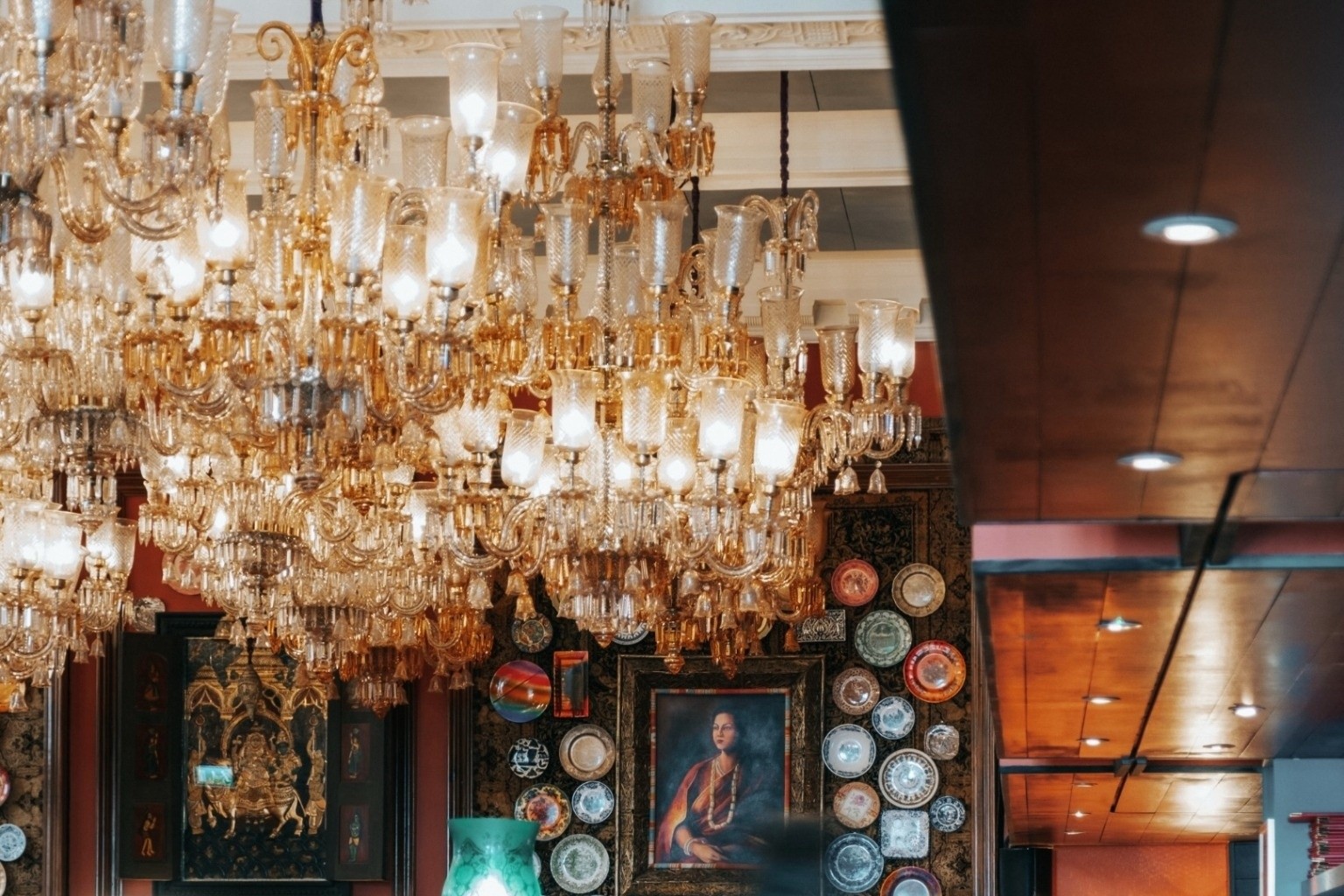
Among London's Indian restaurants, Colonel Saab has established itself as one of the capital's most distinctive fine dining destinations.
Inspired by the travels of founder Roop Partap Choudhary's parents, the restaurant celebrates India's remarkable regional diversity through carefully crafted menus and exceptional hospitality.
Rather than focusing on one style of cooking, Colonel Saab invites guests to explore flavours from across the Indian subcontinent.
Its two prestigious Central London locations Holborn Hall and Trafalgar Square combine authentic cuisine with museum-quality interiors, rare Indian antiques and thoughtfully curated artwork, creating an experience that reflects India's cultural richness as well as its culinary heritage.
Every detail, from the décor to the menu, honours centuries of Indian craftsmanship, storytelling and hospitality.
Why Indian Fine Dining Continues to Grow
Indian cuisine remains one of the fastest-growing fine dining categories because it offers something for every guest.
Visitors appreciate:
● Authentic regional flavours
● Premium ingredients
● Vegetarian and vegan choices
● Refined presentation
● Rich culinary history
● Warm hospitality
● Diverse menus
● Memorable dining experiences
As food lovers increasingly seek authenticity and cultural connection, Indian fine dining continues to evolve while remaining true to its traditions.
Experience the Rich Heritage of Indian Fine Dining in London
Whether you're discovering Indian cuisine for the first time or you're already passionate about its extraordinary diversity, understanding its history adds another dimension to every meal.
At Colonel Saab, guests experience more than exceptional food; they experience centuries of culinary tradition, royal inspiration and genuine Indian hospitality brought together in one unforgettable setting.
From the grandeur of India's royal kitchens to the elegance of modern Central London, Colonel Saab continues the story of Indian fine dining for a new generation of diners.
Frequently Asked Questions
What is Indian fine dining?
Indian fine dining combines authentic regional cuisine with premium ingredients, refined presentation, exceptional service and elegant surroundings, creating a luxurious dining experience inspired by India's culinary traditions.
How old is Indian cuisine?
Indian cuisine has evolved over more than 5,000 years, making it one of the oldest continuously practised culinary traditions in the world.
What influenced Indian fine dining?
Indian fine dining has been shaped by royal courts, Mughal culinary traditions, regional cooking styles, international trade and centuries of cultural exchange.
Why is Indian cuisine so diverse?
India's geography, climate, history and regional cultures have created an extraordinary variety of ingredients, recipes and cooking techniques across different states.
Where can I experience authentic Indian fine dining in London?
For those seeking an authentic Indian fine dining experience in Central London, Colonel Saab offers regional Indian cuisine, luxurious interiors, outstanding hospitality and two iconic locations in Holborn Hall and Trafalgar Square, providing a memorable journey through India's rich culinary heritage.
Final Thoughts
The history of Indian fine dining is a story of innovation, craftsmanship and hospitality that stretches back thousands of years. From the royal kitchens of emperors and maharajas to today's world-class restaurants, Indian cuisine has continually evolved while preserving the traditions that make it extraordinary.
Colonel Saab proudly carries this legacy forward by bringing together authentic regional flavours, cultural storytelling and refined dining in one of the world's greatest culinary capitals. Whether you're celebrating a special occasion, entertaining guests or simply exploring the best Indian restaurant in London, Colonel Saab offers an experience that honours India's past while defining the future of Indian fine dining.
